गुरुदास सेवा आश्रमDonate
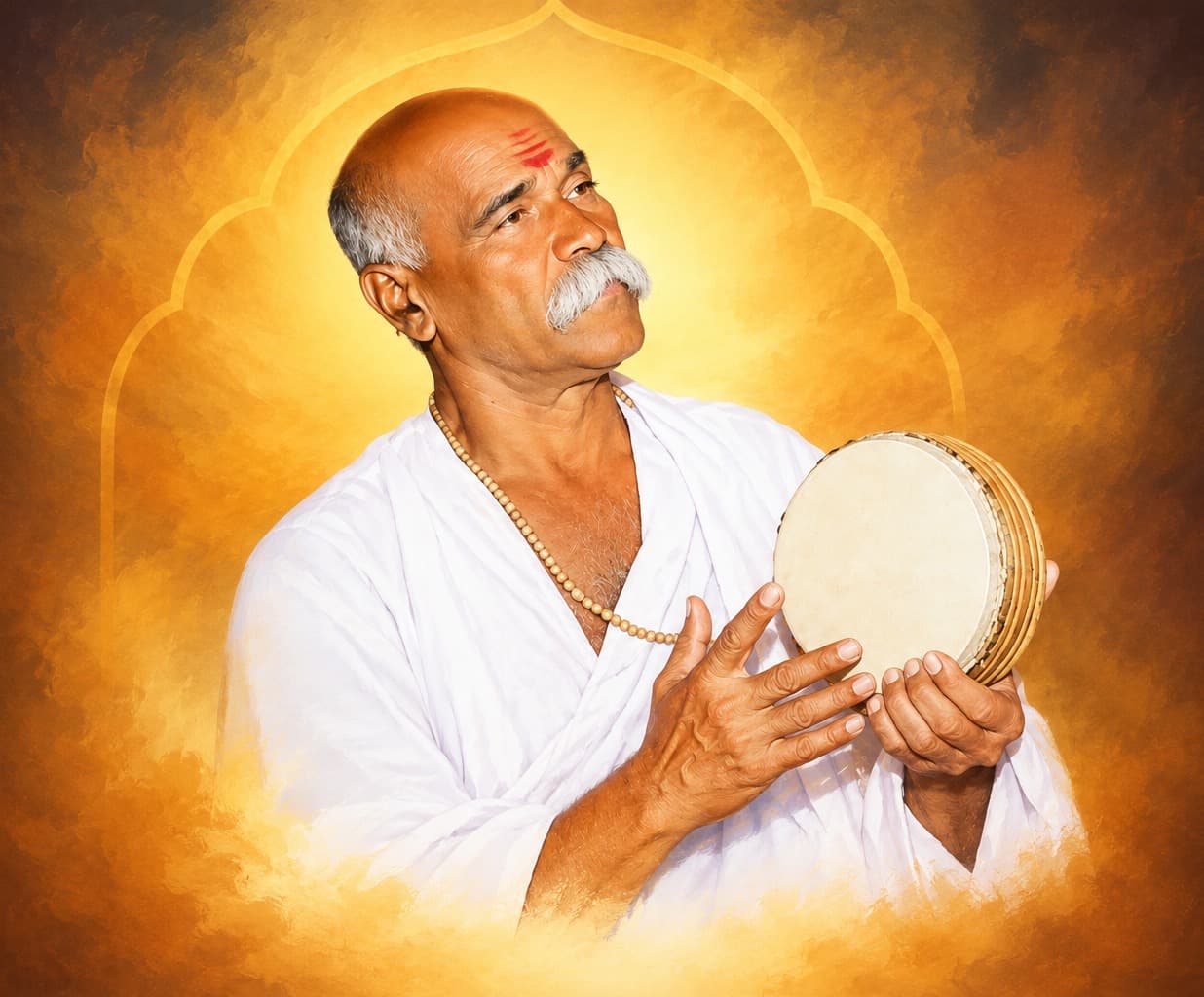
Shri Sant Gurudev Maharaj playing the khanjiri
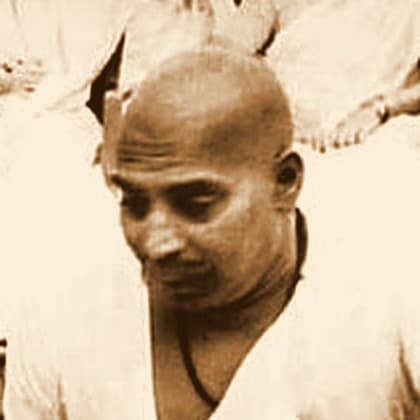
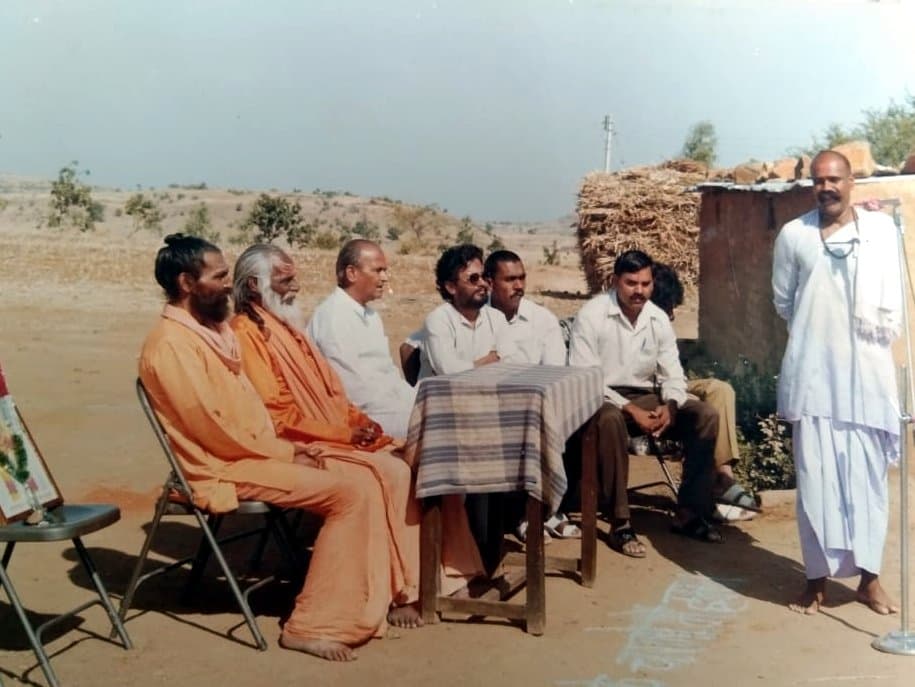
Rashtrasant Tukdoji Maharaj (old photograph)
Rashtrasant Tukdoji MaharajHis blessing, 1962

Shri Sant Gurudev Maharaj · since 1984

Our story

Since 1984 in Ghatnandur: seva, education and the way of the Gramgeeta.

About the ashram

A home of service to humanity: the Akhil Bharatiya Gurudas Seva Ashram

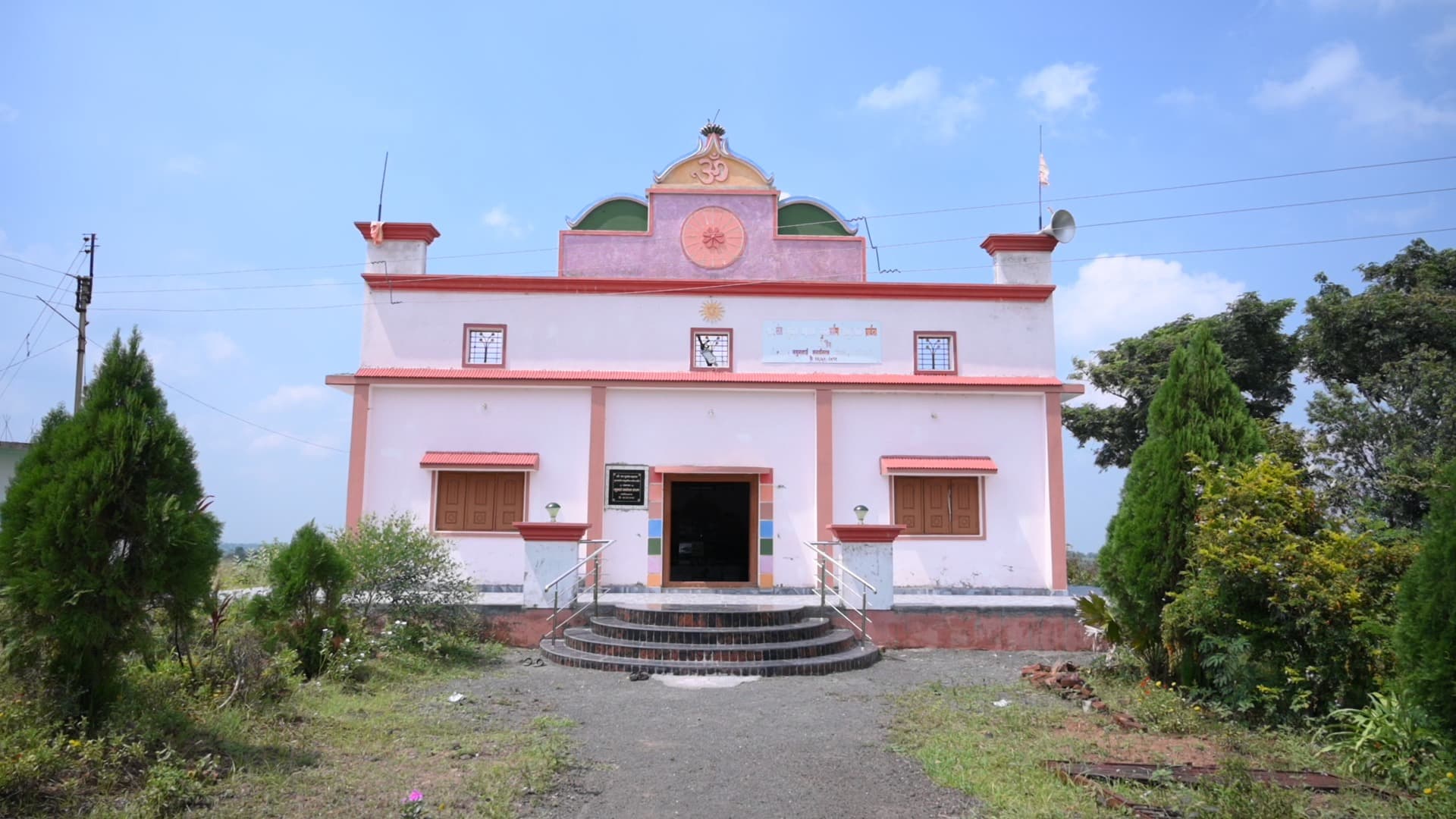
The ashram stands in Ghatnandur (Tal. Ambajogai, Dist. Beed), about a kilometre from the Someshwar temple at the source of the holy Somganga river. In 1984 Shri Sant Gurudev Maharaj gave his own 14 acres of land, formed a charitable trust and founded the ashram. He named it ‘Akhil Bharatiya’ (all-India) because it was meant for the whole country, not only for Ghatnandur or Maharashtra.

Its foundation is the thought of Rashtrasant Tukdoji Maharaj's Gramgeeta: when the village improves, society improves, and when society improves, so does the nation. That is why villagers still lovingly call it ‘the ashram of Tukdoji's servant’.

Today the ashram cares for its own family, the elders with no one to care for them, the students of its hostel and its sevaks: meals, shelter, health check-ups, music and bhajan training, farming and care for the cows. The ashram family still keeps Gurudev's ideal of a simple life ‘until everyone has food, clothing and shelter’.

At a glance

Founded
1984
Founder
Shri Sant Gurudev Maharaj
Land
14 acres, given by the founder
Run by
A charitable trust
Place
Ghatnandur, Tal. Ambajogai, Dist. Beed
Inspiration
Rashtrasant Tukdoji Maharaj and the Gramgeeta

Our story

The ashram's journey since 1984

An ashram raised through shramdaan on the barren land Gurudev Maharaj gave, and the forty years of seva since.
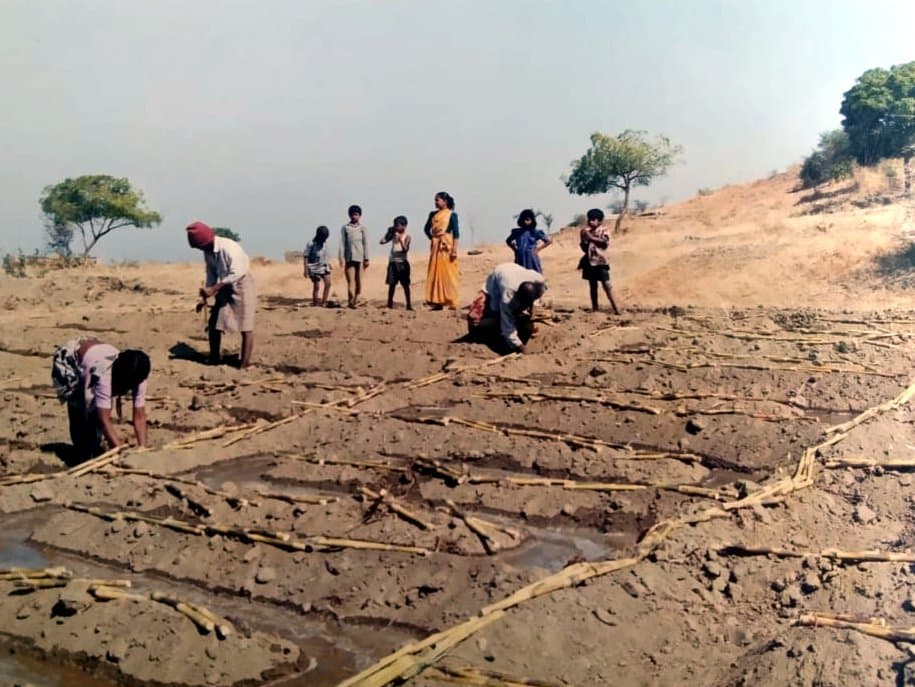
Villagers terracing barren, rocky land
Villagers' shramdaan on barren land

1 · Founding1984

Fourteen acres, a trust, an ashram

In 1984 Shri Sant Gurudev Maharaj gave his own 14 acres of land and formed a charitable trust, and the Akhil Bharatiya Gurudas Seva Ashram was born. It was to be a place that served everyone: children, the helpless, elders and women.

The ashram stands about a kilometre from the Someshwar temple, which is built over water at the source of the holy Somganga river. In those days the ashram's land was barren and rocky.

Milestones

  1. 1984

    The ashram is founded

    Gurudev Maharaj gives 14 acres; a charitable trust and the Akhil Bharatiya Gurudas Seva Ashram.
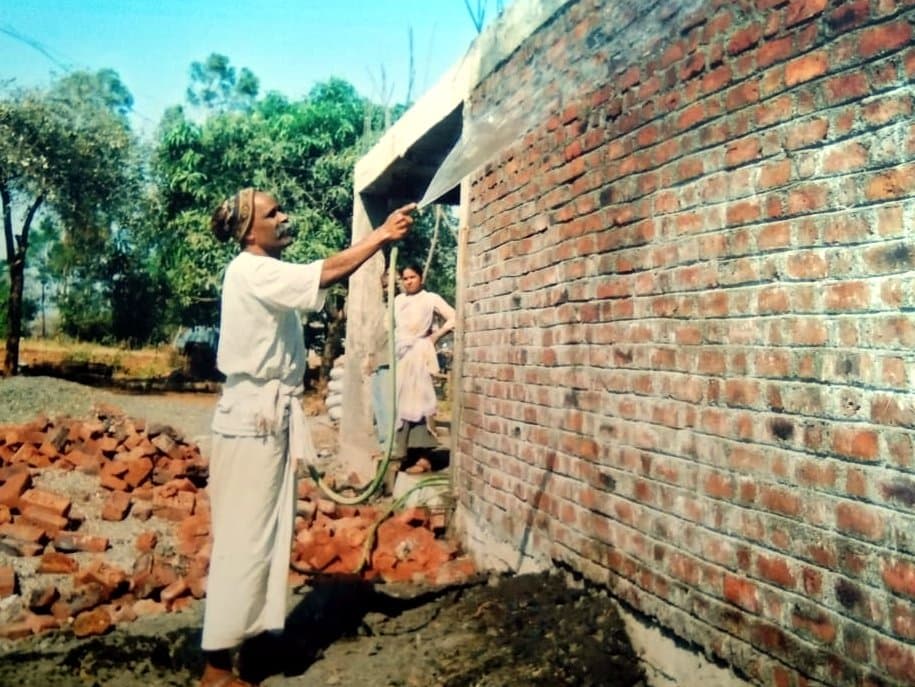
Building one of the ashram's first walls

2 · BuildingThe early years

From barren land to a green campus

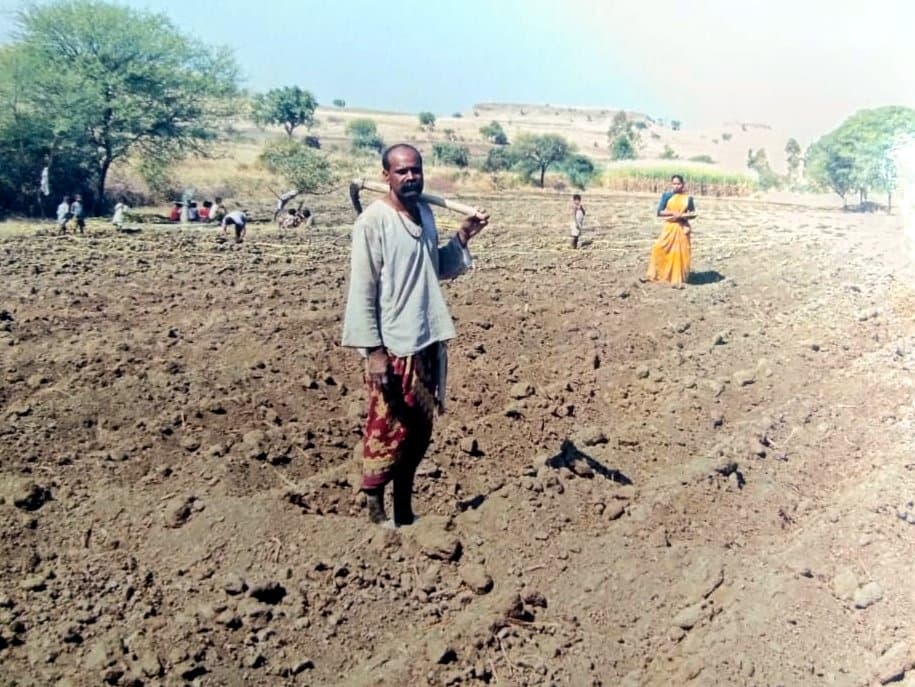
The ashram was built through shramdaan. Villagers, women and children together built bunds in the rocky ground, ploughed the land and grew jowar, maize, wheat and sugarcane. The ashram family raised the walls of the first buildings with their own hands.

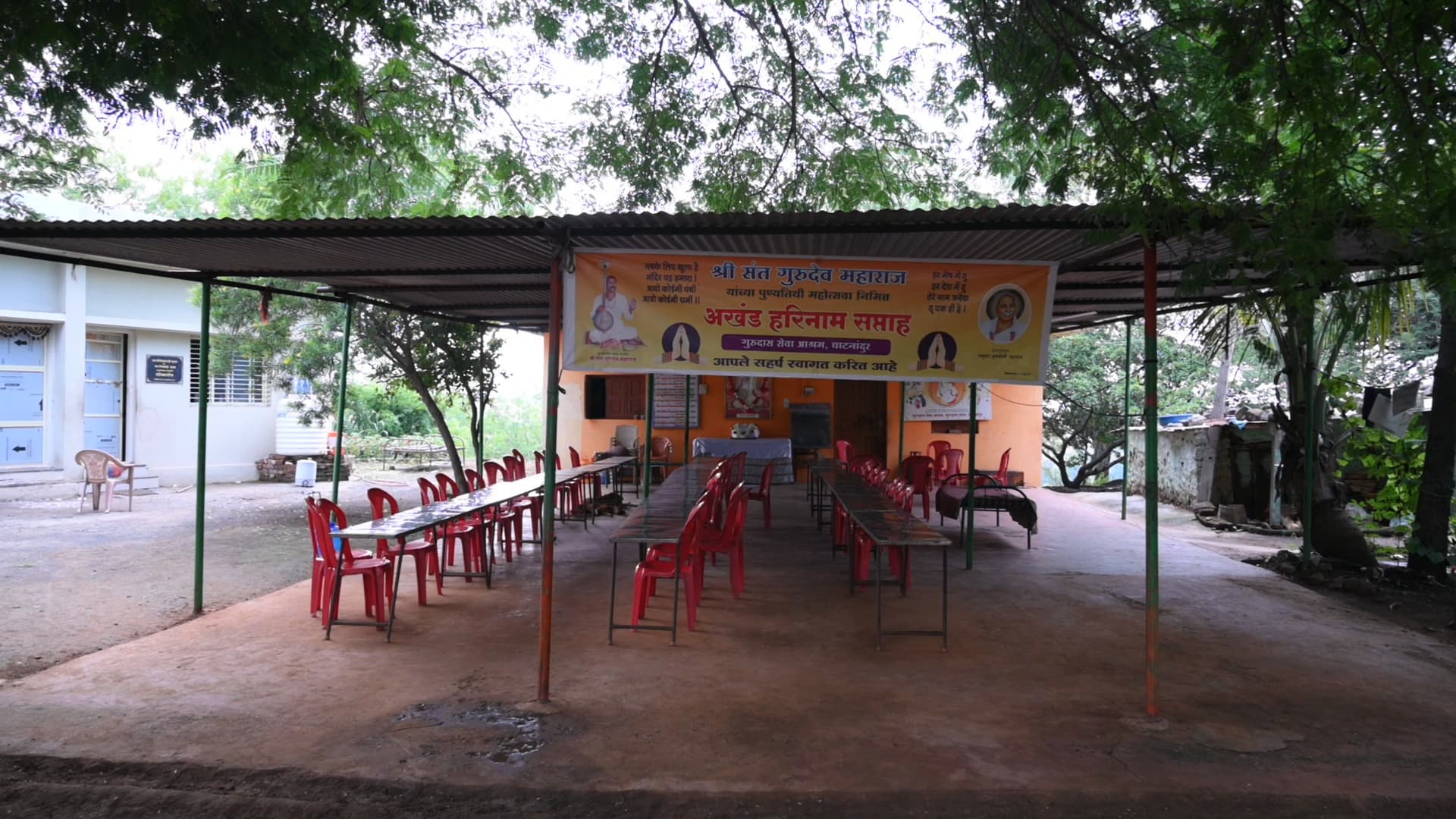
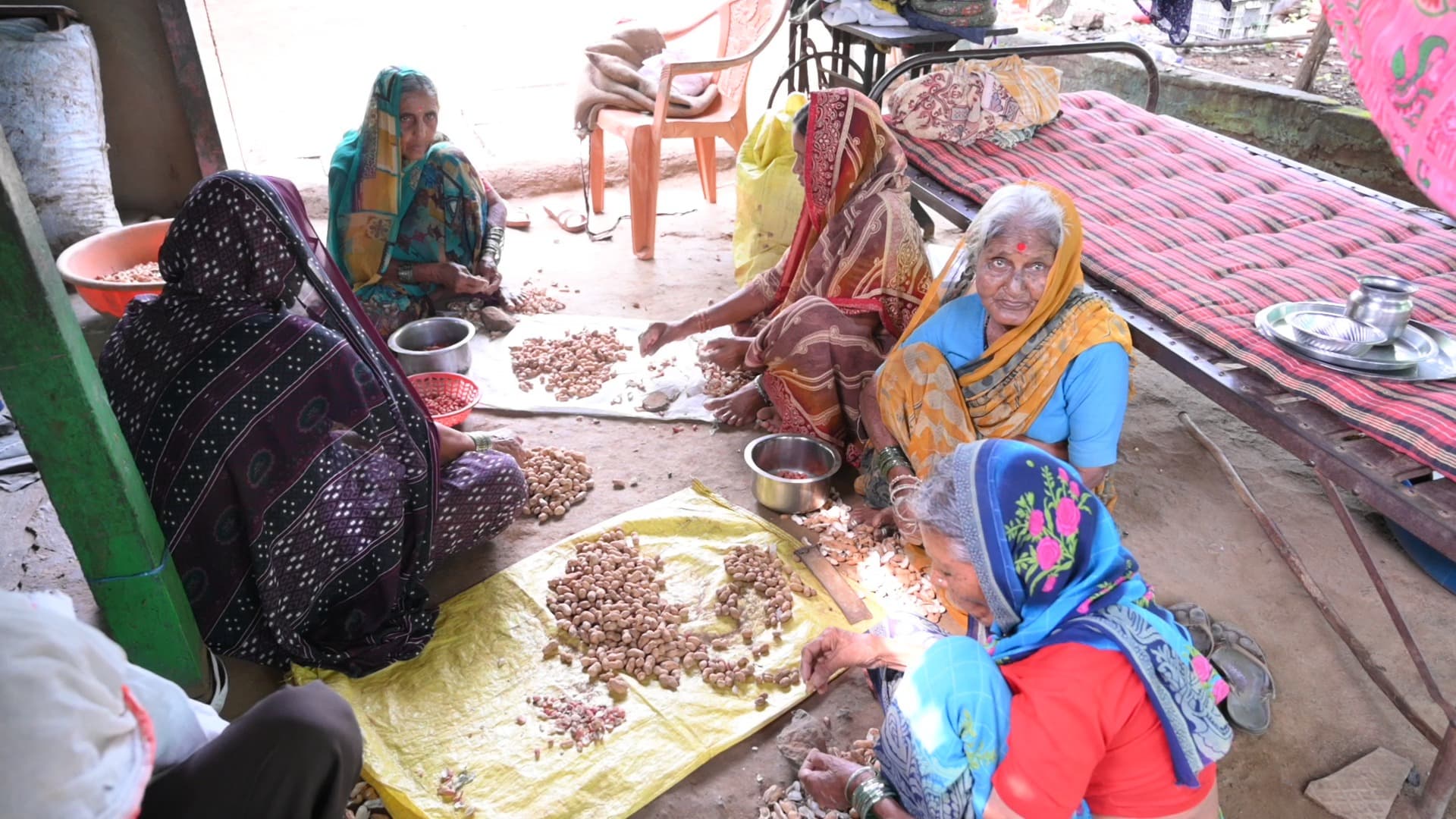
Annadan began at a wood fire in a hut kitchen. Caring for the cows, working in the fields, and bhajan and satsang shaped the daily life of the ashram family. Old photographs from that time still bear witness to this labour.

Milestones

  1. The early years

    Shramdaan and building

    Bunds in rocky ground, farming and tree planting; the first buildings, raised by the ashram family.

  2. The early years

    Annadan begins

    Cooking at a wood fire in a hut kitchen, annadan begins.

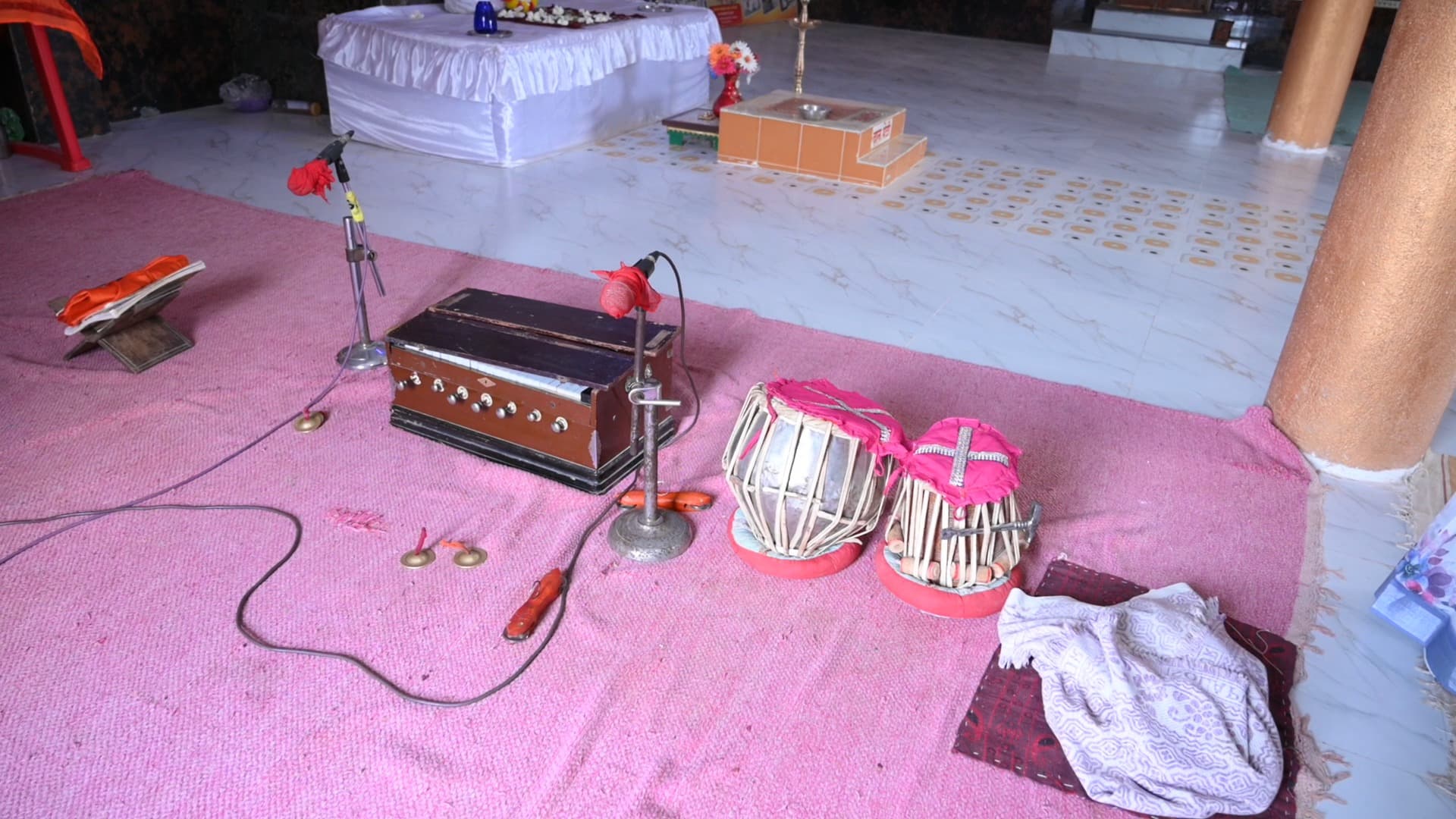
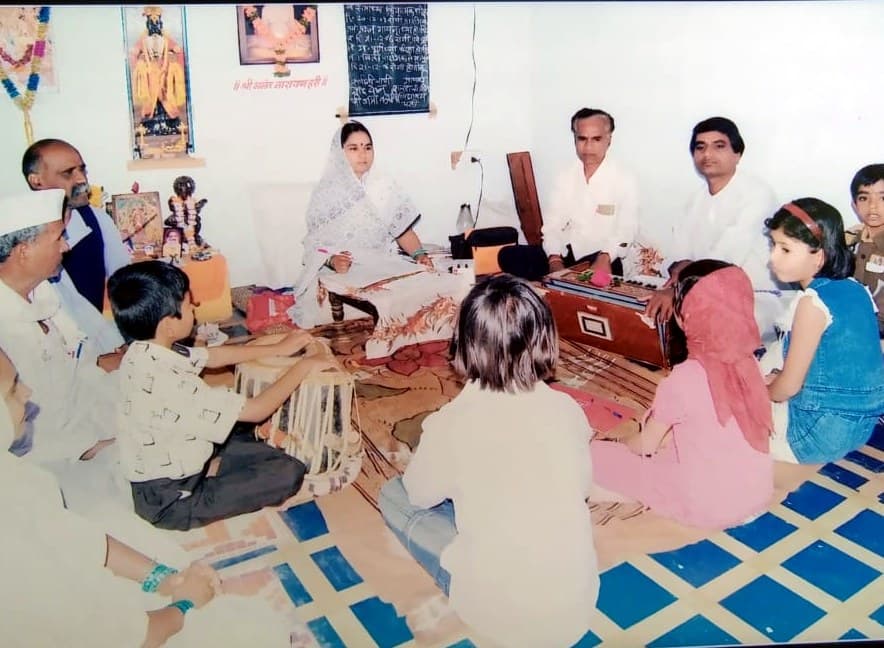
A bhajan session with harmonium and tabla at the ashram
Learning bhajan and music at the ashram (old photograph)

3 · A home of seva1984–2018

Hostels, an old-age home and education

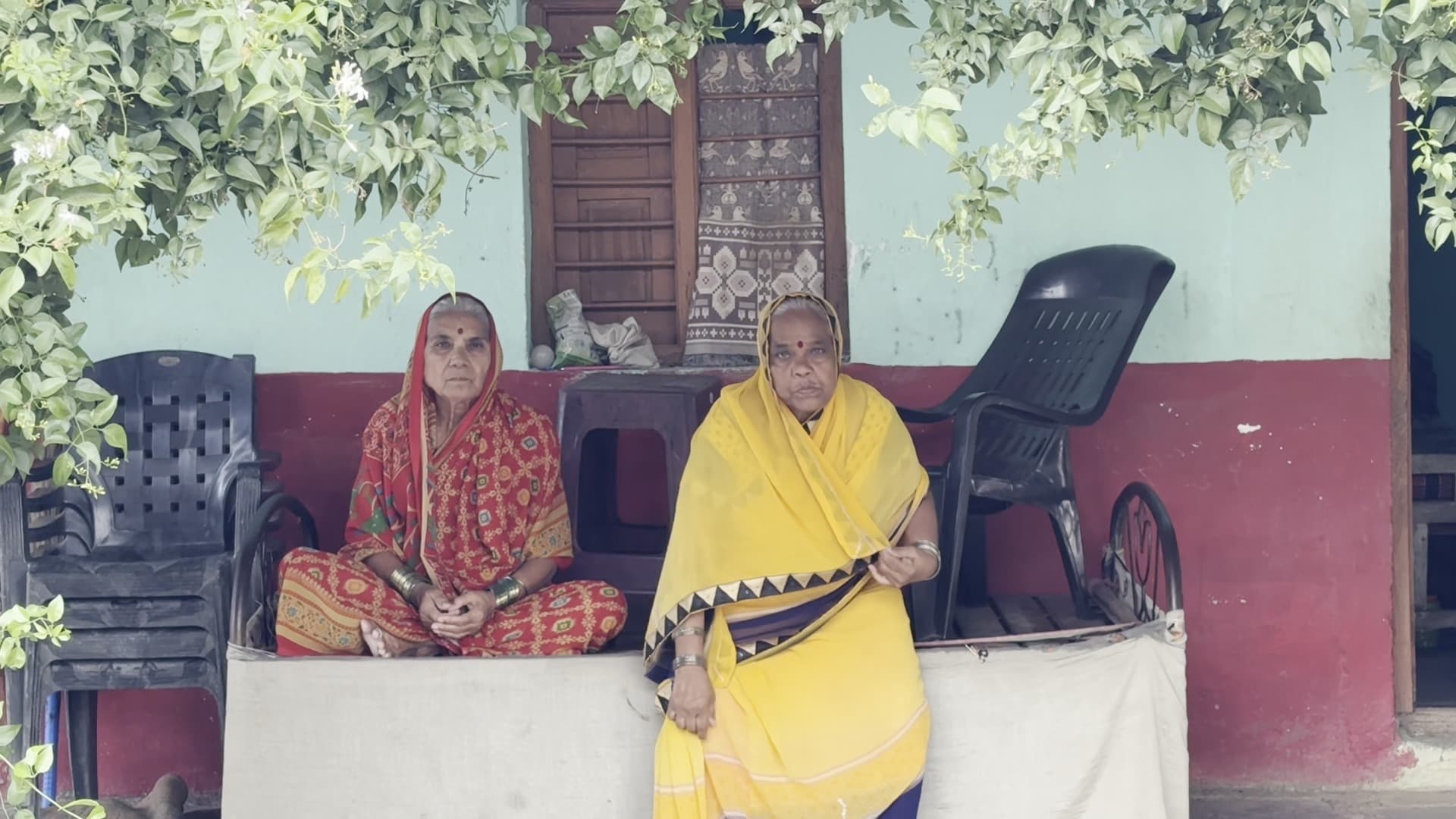
The ashram opened hostels for boys and girls. Alongside school, children received values, computer training and practice in harmonium, tabla and taal. An old-age home welcomed elders who had no one, and the ashram became their family.

Women's empowerment schemes, a balwadi and women's bhajan groups gave women confidence. Shama, a ten-year-old girl with no father, followed the bhajans to the ashram and grew up here; many others found a home here too.

Milestones

  1. The years after

    Hostels

    Hostels for boys and girls: school education, values and computer training.

  2. The years after

    Old-age home

    A home for elders with no one: meals, shelter, health check-ups and satsang.

  3. The years after

    Music and bhajan

    Harmonium, tabla and taal lessons; the khanjiri bhajan tradition takes root.

A gathering with sadhus and guests
A gathering at the ashram with sadhus and guests

4 · A centre of awakening1984–2018

“The ashram of Tukdoji's servant”

The ashram became a centre of service. Seva, shramdaan and swavalamban saptahs, Ramdhun and festivals, and yatras for awareness, service to the nation and village building were organised here. So were programmes for freedom from addiction, women's empowerment and cow protection, and social, literary and educational gatherings.

Because the work followed the ideas of Rashtrasant Tukdoji Maharaj, people came to call it, with affection, “the ashram of Tukdoji's servant”.

Milestones

  1. The years after

    Saptahs, camps and yatras

    Seva, shramdaan and swavalamban saptahs; programmes for freedom from addiction, women's empowerment and cow protection.

  2. 2016

    Anubhav Prasad Bhajanavali

    The first book of Gurudev Maharaj's bhajans is published.

  3. —

    Foundation of the Manavata Mandir

    Inspired by Rashtrasant: a temple of humanity, and the dream of the ashram as a second Gurukunj.

The memorial temple of Gurudev Maharaj at the ashram
The memorial temple of Gurudev Maharaj

5 · Remembrance2018

Gurudev's samadhi and the memorial temple

On 9 October 2018, on a day of serving the elders and sowing the fields, Gurudev Maharaj sat in meditation and left his body. Before that he had given the mantra of seva to Das Lalaji Maharaj, Shamabai, Yamunabai, Bahinabai, Sonaji Maharaj Khande and Yamunabai Sonawane.

His mahasamadhi memorial and a memorial temple with his murti stand at the ashram, and devotees come here for darshan.

Milestones

  1. 2018

    Gurudev's samadhi

    On 9 October Gurudev Maharaj leaves his body; his mahasamadhi memorial is at the ashram.

  2. After 2018

    Memorial temple

    A memorial temple with Gurudev Maharaj's murti; devotees come for darshan.

The ashram's dining hall for annadan

6 · TodaySince 2018

The work goes on

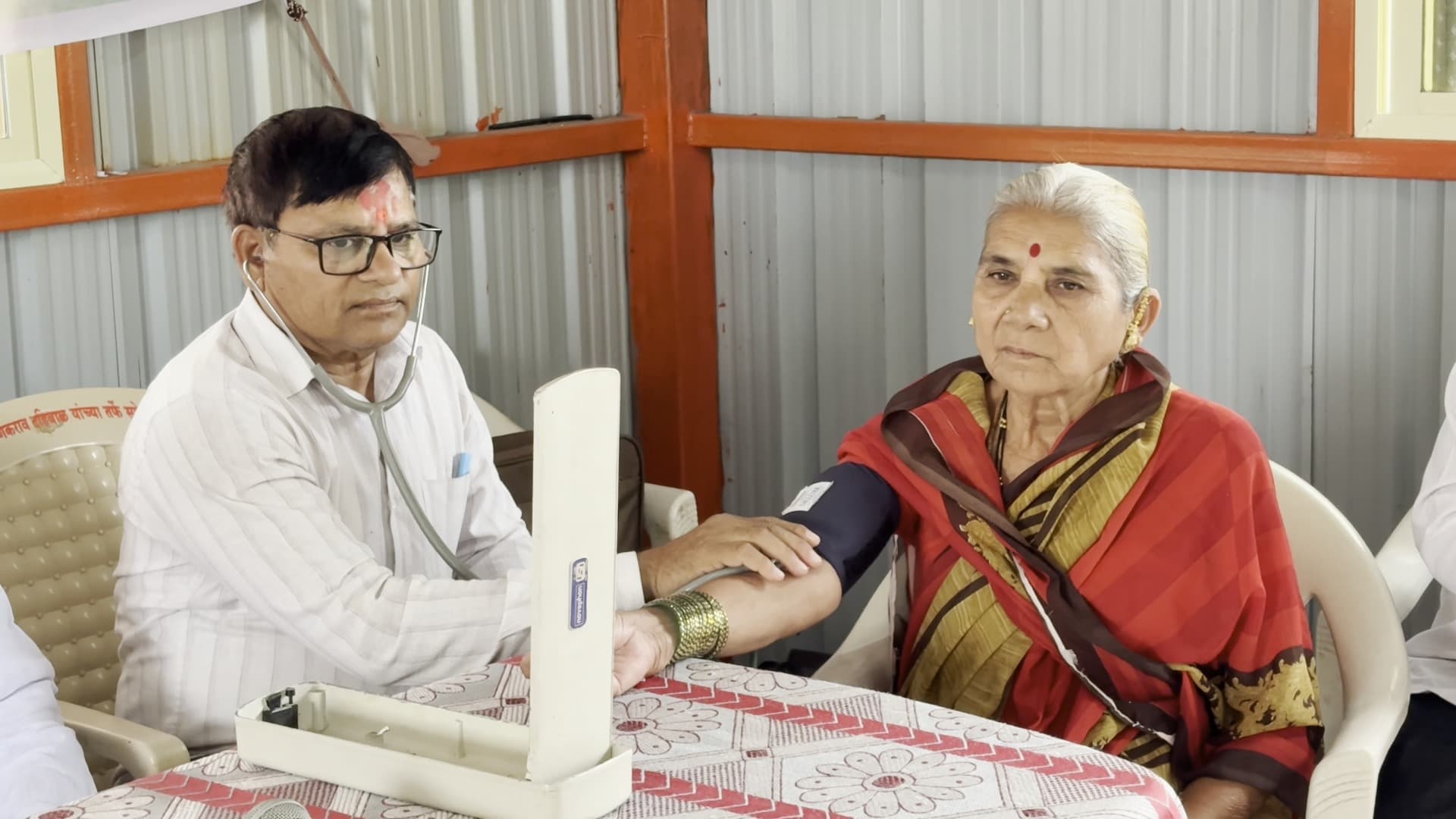
Gurudev Maharaj is no longer with us in body, but he is with us in his work. The ashram family runs the hostel, the old-age home, annadan and bhajan every day, and in September 2026 the ashram held a camp for diagnosis and homeopathic treatment.

Our next goal is to complete the Manavata Mandir and fulfil Gurudev's dream of the ashram as a second Gurukunj.

Milestones

  1. 2026

    Health camp

    In September, a camp for diagnosis and homeopathic treatment at the ashram.

  2. Today

    The work continues

    Hostel, old-age home, annadan, health camps, bhajan and the dream of the Manavata Mandir.

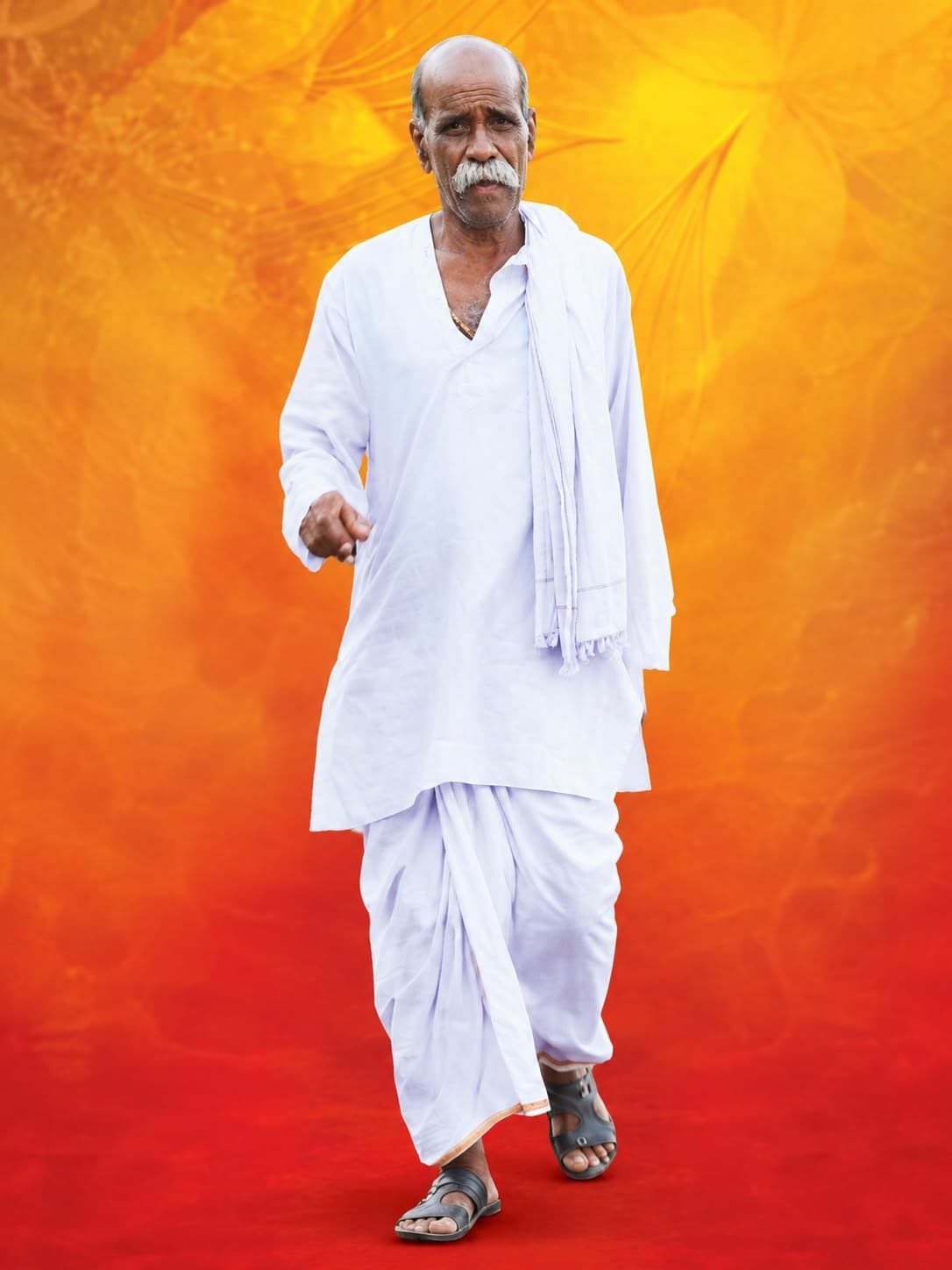
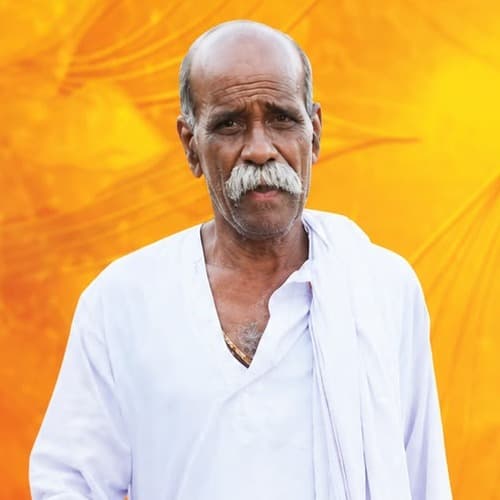
Shri Sant Gurudev Maharaj in a white kurta, dhoti and shawl

The founder

Shri Sant Gurudev Maharaj

11 December 1949 – 9 October 2018

“अरे गुरुदेवा!” In 1962 Rashtrasant Tukdoji Maharaj called out to the young Kondiba, and that call became his name.

Shri Sant Gurudev Maharaj's life was one unbroken journey of meditation, bhajan and seva. Blessed by Rashtrasant Tukdoji Maharaj and guided by Prabhu Tulshiram Maharaj, he carried the Gramgeeta from village to village in song and in action, and in 1984 gave his own land to found the Gurudas Seva Ashram.

His life

The life of Shri Sant Gurudev Maharaj

शाळा कोणकरी, जाऊनी बसावे मंदिरी
— From the founder's life-sketch: “Who needs school? Go and sit in the temple.”

1 · Childhood1949–1961

A boy drawn to the temple

Gurudev Maharaj was born at sunrise on 11 December 1949 into a devout family near Ghatnandur, in the Parli Vaijnath region. His mother, Sulochana Devi, and his father, Tuljaram Dahiwal, were devotees of Lord Datta and Vitthal; his father farmed and sang kirtan and bhajans. His grandfather, Nana Udanshiv, was an Arya Samaj social worker and a freedom fighter. The boy was named Kondiba, and at home they lovingly called him Babu.

Babu was drawn more to the temple than to school. He loved solitary meditation, chanting the Name, and composing kirtans and bhajans, and he picked up swimming and horse riding with ease. As a young man he lived among seekers of the Datta tradition near Nanded, living on alms and seeing the suffering of society up close. Meditating alone in the dense forest of Tapeshwar Math, he had many deep spiritual experiences.

अरे गुरुदेवा!
— Rashtrasant Tukdoji Maharaj, 1962

2 · The blessing1962

“अरे गुरुदेवा!”

On Ekadashi in 1962, Rashtrasant Tukdoji Maharaj, the great priest of humanity, came to the Vitthal-Rukmini temple near Ghatnandur. A huge crowd had gathered. Young Kondiba had come with his father to hear the bhajans. Rashtrasant called him over with the words “अरे गुरुदेवा” (O Gurudeva), sat him on his lap, gave him a fistful of almonds as prasad and stroked his head with love.

That call became his name and the direction of his life. From that day he was devoted to the khanjiri: while herding cattle he sang bhajans, beating time on a tin box and a plate. Seeing this, his father bought him a real khanjiri; his one wish was that his son would carry on Rashtrasant's work.

तुळशी देवा शरण आलो तुज मी । मजला संसारी तारी ॥
— His bhajan to Prabhu Tulshiram Maharaj: “O Tulshi Deva, I come to you for refuge; carry me across this worldly life.”

3 · Guru and Gramgeeta1962–1979

From village to village through bhajan

In 1974 his father passed away. In his grief, Gurudev Maharaj went to Prabhu Tulshiram Maharaj of Parli Vaijnath and accepted him as his guru; his bhajans speak of him again and again as “Tulshinath” and “Prabhu Tulshi”.

To put Rashtrasant's Gramgeeta into practice, he travelled from village to village with harmonium, tabla, taal and khanjiri, singing for village cleanliness, the upliftment of women, the end of untouchability and freedom from addiction. His principle was simple: words alone do not change people; it takes action. He held five-day camps for young people from all over Maharashtra, training during chaturmas, and classes on service to the nation. He faced many difficulties and much opposition on this path, and carried the work forward with patience.

मेरी कुटीया होगी खडी जहाँ, हो मानवता का धर्म खडा
— From the founder's life-sketch: “Where my hut stands, let the religion of humanity stand.”

4 · Gurudev Kutiya1980

A home for the work

As the work grew, it needed a permanent place. In 1980, on his own land about two kilometres from Ghatnandur, Gurudev Maharaj built Gurudev Kutiya and brought his whole family to live there.

From this small hut he raised the flag of service. Everything that followed grew from here.

A villager standing in a large ploughed, bare field
The early years: bare farmland

5 · Founding the ashram1984

His land, given to seva

Wanting the work to reach the whole country, not just Ghatnandur or Maharashtra, Gurudev Maharaj gave his own 14 acres in 1984, formed a charitable trust and named it the Akhil Bharatiya Gurudas Seva Ashram.
He spent the rest of his life at the ashram, in the education of children, the care of elders and the spreading of the Gramgeeta. The ashram's own journey is told below, in “Our story”.

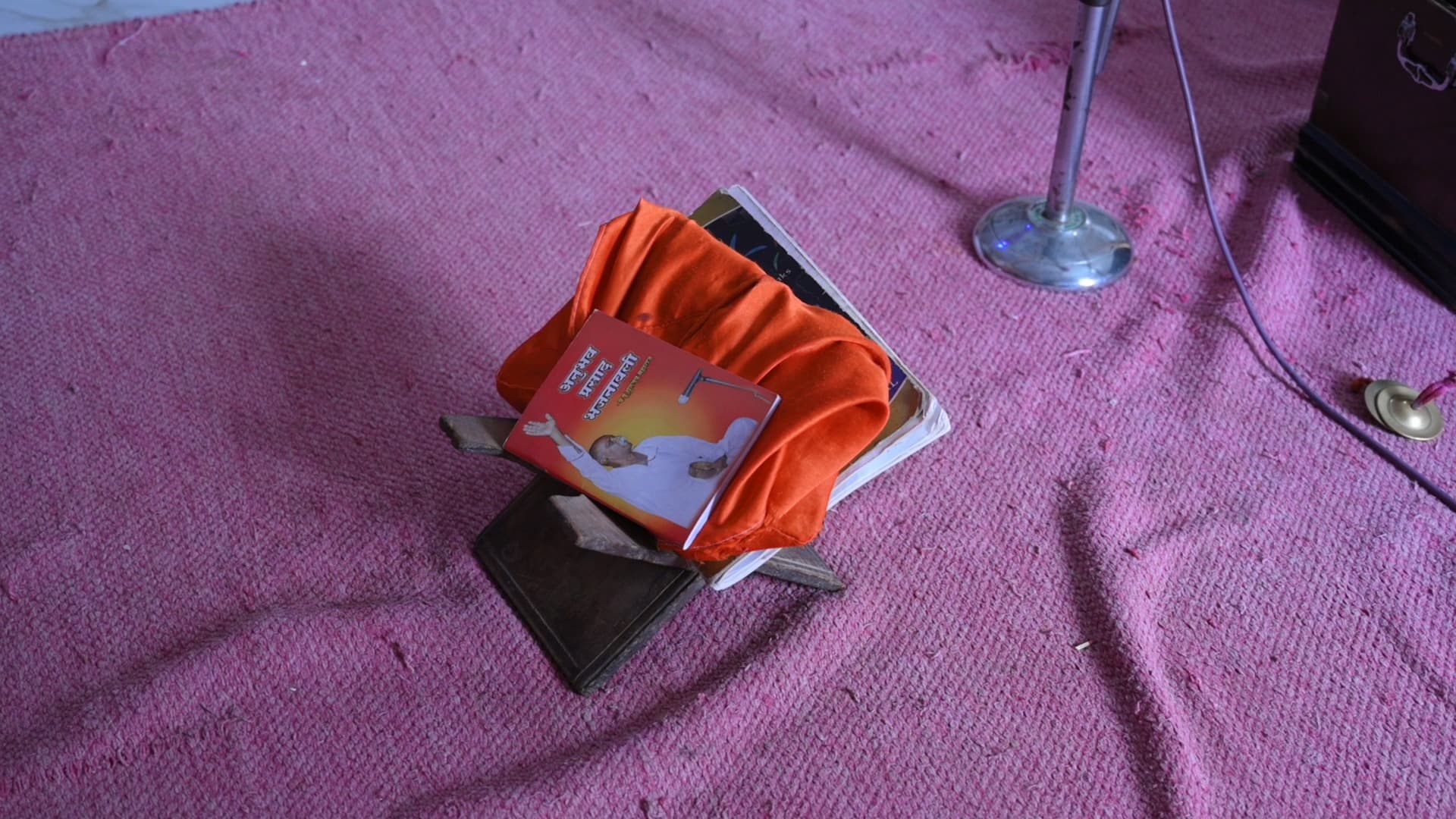
Gurudev Maharaj's book of bhajans

6 · A simple life, lasting bhajansThroughout his life

Bhajans, writings and the dream of a Manavata Mandir

Like Mahatma Gandhi, he chose to live simply until everyone had food, clothing and shelter. He never sought to publish his own writings. Even so, some of his bhajans were published in 2016 as Anubhav Prasad Bhajanavali, and more are preserved in Gurubodh Anubhav Bhajanavali. Many of his abhangs, speeches, powadas, lullabies and writings on social questions are still unpublished.

Inspired by Rashtrasant, he dreamed of a Manavata Mandir, a temple of humanity, and laid its foundation. His wish was for the ashram to become a second Gurukunj.

जीव जीवात आहेस तोवरी तुझीच सेवा अवघी
— From his bhajan: “As long as there is life in me, all of it is Your service.”

7 · Samadhi2018

His last day was a day of seva

9 October 2018 was spent in seva like any other day. In the morning Gurudev Maharaj sowed in the fields, then drove the elders to Parli for eye check-ups. After three in the afternoon he went back to finish the sowing.

When he stopped to rest, he released the bullocks, saying “you rest now; my time of rest has come”, and sat down there in meditation. At 4:58 pm he left his body. Leaders, saints, mahants and devotees paid their tributes.

Tribute

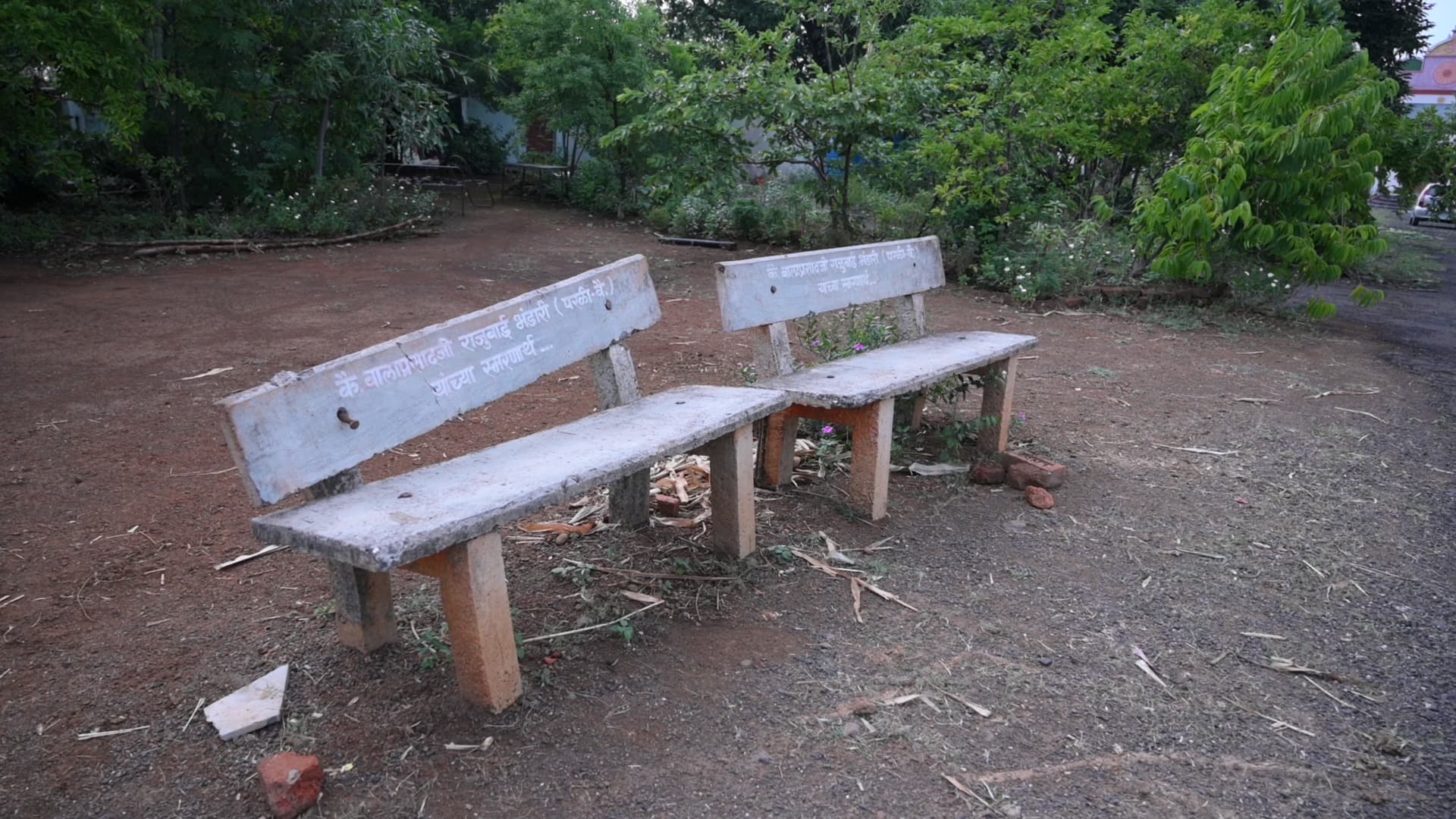
In memory of Gurudev Maharaj

Lineage

Tukdoji Maharaj & the Gramgeeta

Rashtrasant Tukdoji Maharaj's Gramgeeta is the foundation of the ashram: when the village improves, society improves, and when society improves, so does the nation. Gurudev Maharaj carried this idea from village to village, in bhajans and in action.

  1. Rashtrasant Tukdoji Maharaj

    Author of the Gramgeeta

    Blessed young Kondiba as “Gurudeva” in 1962.

  2. Prabhu Tulshiram Maharaj, Parli

    His guru

    Gurudev Maharaj's guru, the “Tulshinath” of his bhajans.

  3. Shri Sant Gurudev Maharaj

    Shri Sant Gurudev Maharaj

    Founder

    Put the Gramgeeta into practice and founded the ashram in 1984.

In his words

Thought in bhajan

प्रार्थीतो मी गुरूरायाला । यावे धर्माच्या तुम्ही साह्या ॥
अवनीती अधर्म मोडाया । जगी धर्माचे शीड चढाया ॥

I pray to my guru: come to the aid of dharma, to break the hold of wrong on the earth and raise the sail of dharma in the world.

— Guru's prayer · Gurubodh Anubhav Bhajanavali

माय माऊली भारत भूमी पहाती तुमच्याकडे ।
जन्मभूमीचे ऋण फेडण्या कोण येतो पुढे ॥

Mother India is looking to you: who will come forward to repay the debt to the land of our birth? (Gurudev Maharaj's call to the young.)

— Shri Sant Gurudev Maharaj

Our values

What the ashram stands on

  • Seva is worship

    Gurudev Maharaj found Ram in work: in the fields, in caring for elders and in teaching children.

  • The way of the Gramgeeta

    Village, society, nation: when the village grows, the country grows.

  • A society free and equal

    Freedom from addiction, an end to untouchability and dignity for women.

Voices of the ashram

Shamabai's story

Shama was ten and had lost her father when she heard Gurudev Maharaj sing at the Someshwar temple, and followed the bhajans to the ashram. She lived in the girls' hostel, went to school, learned harmonium and taal, and began writing down Gurudev's bhajans.

She gave herself to every kind of seva: cooking, farming, caring for the cows. She called Gurudev “Dada”. Today her own abhangs are part of the ashram's heritage.

जनी झाली नामदेवाची बहीण । शामा झाली धर्माची लेक ।
अनंत जन्माचे गेले पातक । आले गागुटीशी हिरेपण ॥

— शामाबाई

Transparency

Registrations

Registration numbers will be listed here soon.

Carry the work forward

Your gift keeps the hostel, the old-age home and annadan going. 80G receipt by email.